
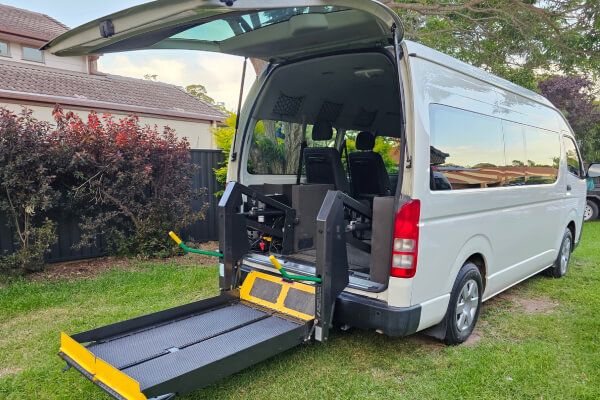
For most people, booking a taxi is routine. You call, it arrives, you go. Simple. But when you need a taxi for wheelchair access, the process isn’t always that straightforward. It requires the right vehicle, proper equipment, and a driver who understands that safety and dignity come first.
Transportation is more than just movement — it’s independence. It’s being able to attend medical appointments without stress, meet friends across town, commute to work, or simply enjoy a day out. When mobility equipment is part of daily life, reliable accessible transport becomes essential, not optional.
A proper taxi for wheelchair users is specifically designed to accommodate mobility aids safely. These vehicles often include ramps or hydraulic lifts, allowing smooth entry and exit without strain. Inside, secure tie-down systems keep the wheelchair firmly in place during travel. This isn’t just about convenience — it’s about compliance with safety standards and ensuring stability on the road.
I once heard someone describe the difference between a standard cab and a wheelchair-accessible taxi as the difference between “fitting in” and “being welcomed.” That stuck with me. When a vehicle is purpose-built, you don’t feel like an afterthought. You feel considered.
The driver plays a major role in that experience. Professional wheelchair taxi drivers are trained in properly securing wheelchairs, positioning seatbelts, and offering assistance respectfully. There’s a balance between helping and maintaining personal independence. The best drivers understand this intuitively. They communicate clearly, allow adequate time for boarding, and never rush the process.
Reliability is equally important. Many wheelchair users rely on taxis for medical appointments, therapy sessions, or routine treatments that operate on strict schedules. A late arrival can mean missed appointments and unnecessary stress. A dependable taxi for wheelchair access prioritizes punctuality and route planning, especially in busy urban environments.
Comfort shouldn’t be overlooked either. Longer journeys require smooth rides, sufficient interior space, and thoughtful vehicle maintenance. Well-maintained accessible taxis reduce vibration and provide a more stable experience, particularly for powered wheelchairs.
For families and caregivers, having a trusted wheelchair taxi provider removes a significant logistical burden. Instead of coordinating multiple transportation options, one reliable service can handle regular and one-off trips alike. That predictability creates peace of mind.
When selecting a taxi for wheelchair needs, there are a few practical considerations:
Ensure the vehicle is properly licensed and meets local accessibility standards.
Confirm that drivers are trained in mobility assistance procedures.
Look for transparent pricing and easy booking systems.
Read customer reviews to gauge reliability and service quality.
Accessible transportation is about inclusion. It ensures that mobility challenges don’t limit participation in work, healthcare, education, or social life. A dependable taxi service makes daily routines smoother and opens doors that might otherwise feel closed.
At its core, choosing the right taxi for wheelchair access is about preserving independence and confidence. It allows individuals to move through their day knowing transportation won’t be a hurdle. And that kind of freedom — the freedom to go where you need, when you need — is something everyone deserves.